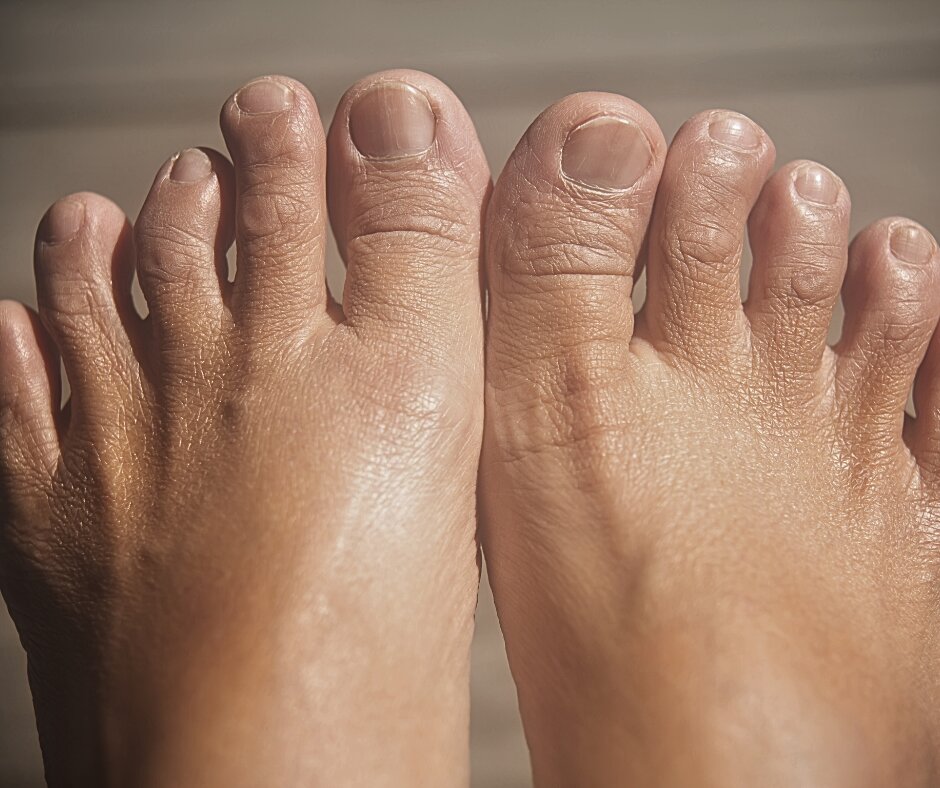
Crooked toes are a fairly common concern seen in clinic by pedorthists. Many people notice that one or more of their toes begin to drift, bend, or sit higher than the others. While it may sometimes appear to be a cosmetic issue, crooked toes are often a sign that the foot is under abnormal pressure or strain.
This article focuses on the plantar plate, a commonly overlooked yet prevalent injury.
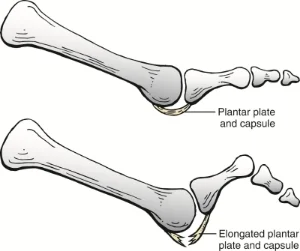 One cause of crooked toes is predislocation syndrome, which occurs when the plantar plate elongates. In more severe cases, when the plantar plate ruptures, it is known as a plantar plate tear.
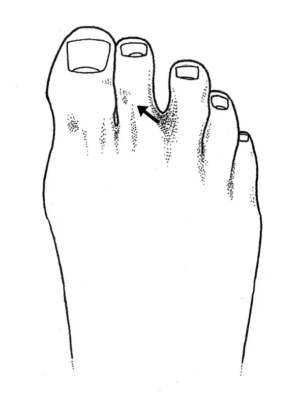
The plantar plate is a strong ligament located on the bottom of the foot that stabilizes the toe joint, especially the second and third toes. When this ligament becomes stretched or torn, the toe may gradually shift upward or sideways, sometimes forming a “V-sign.”
Common symptoms include:
- Pain in the ball of the foot
- Swelling around the joint
- A sensation of walking on a small pebble
If left untreated, the toes may continue to drift, and symptoms can worsen over time.
What Causes a Plantar Plate Injury?
 1. Excess Pressure on the Ball of the Foot
Repeated pressure on the front of the foot is the most common cause. Activities involving walking, running, or jumping can overload the toe joints and strain the plantar plate. Repetitive upward bending (dorsiflexion) of the toes contributes significantly.
2. Foot Structure
Certain foot shapes increase stress on the plantar plate, including:
- A long second or third toe
- High arches
- Flat feet
- Short first metatarsal (Morton’s foot)
3. Bunions
Bunions can push the big toe inward, reducing its efficiency during walking. This often leads to a “low-gear push-off,” where smaller toes take on more pressure than they are designed for.
4. Tight Calf Muscles
Tight calves can limit ankle movement, increasing pressure on the forefoot during walking.
5. Improper Footwear
Certain shoes can contribute to plantar plate injuries, such as:
- High heels
- Tight or narrow shoes
- Shoes with little support or flexible soles
6. Toe Deformities
Conditions like hammer toes or claw toes alter pressure distribution across the forefoot, increasing stress on the plantar plate.
7. Aging and Tissue Wear
Over time, ligaments naturally weaken, making them more susceptible to injury.
Plantar Plate Injury: Treatment Options
Treatment focuses on reducing strain, supporting the foot, and restoring strength.
1. Footwear Changes
- Wear shoes with a wide toe box
- Use stiff-soled or rocker-bottom shoes
- Avoid high heels and overly flexible footwear
2. Padding and Offloading
- Metatarsal pads reduce pressure under the ball of the foot
- Toe separators help maintain alignment
3. Taping or Splinting
- Helps hold the toe in a better position
- Reduces strain while walking
4. Custom Foot Orthotics
- Redistribute pressure across the foot
- Support the arch
- Address individual biomechanics
5. Strengthening and Stretching Exercises
- Short foot exercises for arch strength
- Toe spreading and towel scrunches
- Calf stretching to reduce forefoot pressure
6. Activity Modification
- Limit high-impact activities
- Gradually return to normal activity
7. Medical Interventions
- Referral to an orthopedic specialist if needed
- Corticosteroid injections for inflammation
- Surgery in severe or chronic cases
8. Recovery Tips
- Early treatment improves outcomes
- Avoid barefoot walking on hard surfaces
- Use recovery sandals indoors
- Stay consistent with footwear and exercises
Final Thoughts
Early recognition and proper care are key to preventing crooked toes from worsening. Simple steps like wearing supportive shoes, using orthotics, and performing strengthening exercises can make a significant difference.
If you notice persistent pain, swelling, or your toe starting to drift, seek professional assessment. With timely intervention, most plantar plate injuries can be managed effectively—helping you maintain comfort, mobility, and healthy feet for years to come.